Physician Burnout Solutions: How to Prevent and Strategies [+Stats]

Physician burnout prevention
How to Prevent Physician Burnout: The Definitive Guide
Physician burnout prevention
Are you a physician feeling overwhelmed and burned out by the demands of your medical career? If so, you’re not alone. Physician burnout is a pressing issue that affects many doctors, but there are strategies you can implement to prevent it and maintain a healthy and fulfilling medical career.
It is both an ethical and moral obligation to address physician burnout, given its high prevalence, serious consequences, and the various risk factors involved. Effectively addressing physician burnout requires both individual and organizational strategies to support physicians across all specialties.
In this article, I’ll explore effective techniques that can help you combat burnout and find a better work-life balance. From practicing self-care and setting boundaries to effective time management and seeking support, I’ll provide practical tips and insights that are tailored specifically for physicians.
My aim is to equip you with the tools you need to navigate the challenges of your medical career and prioritize your well-being. By implementing these strategies, you can not only prevent burnout but also find greater satisfaction and fulfillment in your profession.
Join me on this journey to create a healthier and more fulfilling medical career. Let’s take proactive steps towards a better work-life balance, while still providing exceptional care to your patients.
Understanding physician burnout
According to the American Medical Association (AMA), physician burnout is on the rise. Physician burnout is a growing concern in the healthcare industry, characterized by emotional exhaustion, depersonalization, and a diminished sense of personal accomplishment. This condition can have a significant impact on the well-being and performance of healthcare providers, ultimately affecting the quality of patient care. A 2022 survey by the AMA found that 51% of respondents stated that they were experiencing burnout. Burnout rates have been increasing across various specialties, highlighting the widespread and growing concern within the medical community.
At the core of physician burnout lies the demanding nature of the medical profession, which often requires long hours, high-stress decision-making, and emotional investment in the lives of patients. The constant pressure to deliver exceptional care, coupled with administrative burdens, regulatory requirements, and the emotional toll of dealing with illness and death, can take a heavy toll on physicians’ mental and physical health. While depression rates among physicians are similar to those in the general population, suicide rates are disproportionately higher among physicians, underscoring the urgent need for targeted interventions.
A systematic review of the literature on physician burnout has summarized the prevalence, risk factors, and consequences, providing comprehensive evidence to guide future interventions and policy changes.
It is crucial to understand the multifaceted nature of physician burnout, as it encompasses not only individual factors but also systemic and organizational challenges. By recognizing the underlying causes and the far-reaching consequences of this phenomenon, healthcare professionals and policymakers can develop targeted strategies to address this critical issue and support the well-being of those on the frontlines of patient care.

In a 2022 survey, the AMA found that while 51% of HCP's endorsed experiencing burnout, the highest rates of physician burnout were in Family Medicine, Oncology, and Critical Care
The impact of physician burnout on healthcare
Physician burnout has a profound impact on the healthcare system as a whole, affecting patient outcomes, healthcare costs, and the overall sustainability of the medical profession. When physicians experience burnout, it can lead to a decrease in the quality of patient care, increased medical errors, and a reduction in patient satisfaction. Physician burnout increases the risk of medical error, directly impacting patient safety and overall healthcare quality.
The consequences of physician burnout extend beyond the individual practitioner, as it can contribute to higher rates of staff turnover, absenteeism, and early retirement, further straining the healthcare workforce. This, in turn, can lead to longer wait times for patients, reduced access to care, and a decline in the overall efficiency of the healthcare system. Health systems are significantly affected by physician burnout, making it crucial for these organizations to implement system-level interventions to address and prevent burnout.
Furthermore, the financial implications of physician burnout are significant, with studies estimating that the cost of physician turnover and reduced clinical hours can reach billions of dollars annually. The indirect costs associated with decreased productivity, increased medical errors, and the need for additional training and recruitment efforts can further exacerbate the financial burden on healthcare organizations and the broader healthcare ecosystem. Reducing burnout is essential for improving both physician well-being and patient care.
Warning signs of burnout in physicians
Recognizing the early warning signs of burnout is crucial for physicians to take proactive steps towards maintaining their well-being. Some of the common indicators of burnout in the medical profession include:
Emotional exhaustion: Physicians may feel drained, overwhelmed, and unable to cope with the emotional demands of their work, leading to a sense of detachment and a diminished sense of empathy towards patients.
Depersonalization: Physicians may develop a cynical or detached attitude towards their patients, viewing them as mere “cases” rather than individuals in need of care.
Reduced sense of personal accomplishment: Physicians may feel that their efforts are not making a meaningful impact, leading to a diminished sense of purpose and satisfaction in their work.
Physical symptoms: Burnout can manifest in physical symptoms such as fatigue, headaches, insomnia, and changes in appetite or weight.
Decreased job satisfaction: Physicians may experience a growing dissatisfaction with their work, leading to a loss of enthusiasm and engagement in their professional duties.
If left unaddressed, burnout can contribute to serious mental illness, including depression and suicidal ideation. Physicians experiencing burnout are also at increased risk for substance abuse, which can further compromise their mental health and overall well-being.
It is important for physicians to be attuned to these warning signs and to take proactive steps to address them before the condition escalates, compromising their well-being and the quality of patient care.
Contributors to physician burnout
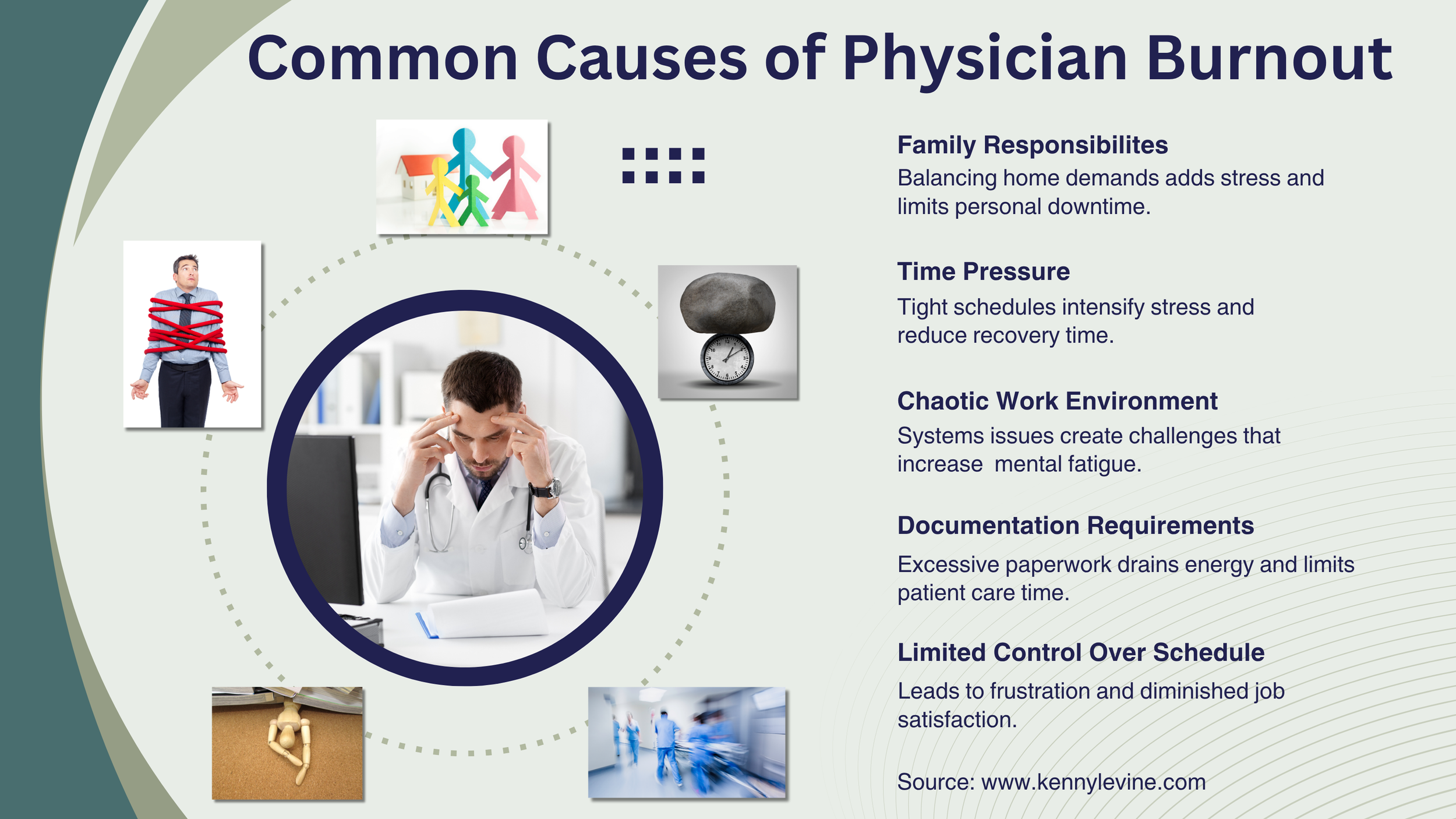
Some common causes of physician burnout
The causes of physician burnout are multifaceted and can be attributed to a combination of individual, organizational, and systemic factors. Understanding the underlying drivers of burnout is crucial in developing effective strategies to address this pressing issue.
One of the primary contributors to physician burnout is the sheer volume and complexity of the workload. Physicians often face long hours, high patient caseloads, and an ever-increasing administrative burden, leaving little time for rest, reflection, and personal well-being. The constant pressure to meet productivity targets and comply with regulatory requirements can further exacerbate the sense of overwhelm and diminish the joy of practicing medicine. The growing demands of the healthcare marketplace and rising patient expectations also add to these pressures, making it increasingly difficult for physicians to maintain a healthy work-life balance.
Additionally, the emotional toll of caring for patients, particularly those with chronic or terminal conditions, can take a significant toll on physicians. The constant exposure to human suffering, the need to deliver difficult news, and the weight of making high-stakes decisions can lead to compassion fatigue and a diminished sense of personal accomplishment. Personal factors, such as coping skills, resilience, and individual life circumstances, can also influence a physician's vulnerability to burnout.
Organizational factors, such as a lack of support, inadequate resources, and a culture that prioritizes efficiency over well-being, can also contribute to physician burnout. Certain work environments or excessive workloads can put physicians at high risk for burnout, especially when chaotic or understaffed conditions are present. When physicians feel unsupported, unappreciated, and unable to influence the policies and practices that govern their work, it can lead to a sense of powerlessness and disengagement.
Systemic issues, such as the complexity of the healthcare system, the burden of managing documentation, and the ever-changing regulatory landscape, can further compound the challenges faced by physicians, leaving them feeling overwhelmed and unable to focus on the core aspects of their profession. Burnout is not limited to physicians; it also affects other health care workers, who face similar stressors and risks, especially during events like the COVID pandemic.
Certain groups are particularly vulnerable to burnout. Resident physicians, for example, are especially susceptible due to the unique stressors and demands of their training programs, including long hours, high expectations, and limited autonomy.
By understanding the multifaceted nature of physician burnout, healthcare organizations and policymakers can develop comprehensive strategies to address this critical issue and support the well-being of those who are dedicated to caring for the health and well-being of others.
Substance use disorders and physician burnout
Substance use disorders are an often-overlooked consequence of physician burnout, yet they represent a significant threat to both physician well-being and patient care. The World Health Organization recognizes that burnout among healthcare professionals—including primary care physicians, medical residents, and advanced practice providers—can increase vulnerability to substance use disorders. Emotional exhaustion, depersonalization, and a reduced sense of professional efficacy, as measured by the Maslach Burnout Inventory, are all linked to a higher risk of substance misuse among physicians.
The demanding nature of the healthcare industry, with its high-stress environments, long hours, and relentless administrative tasks—especially those related to electronic health records—can push physicians toward unhealthy coping mechanisms. When work-life balance is compromised and support systems are lacking, some healthcare professionals may turn to substances as a way to manage stress, emotional exhaustion, or even depressive symptoms. This risk is particularly pronounced among medical residents, medical students, female physicians, and those in primary care, who often face unique pressures and higher rates of burnout.
Research published in leading journals such as Arch Intern Med and the Journal of Graduate Medical Education has shown that physicians experiencing high levels of burnout are more likely to develop substance use disorders and report depressive symptoms. These issues not only endanger the health of the physician but can also lead to increased medical errors, jeopardizing patient safety and the delivery of high-quality care. In fact, studies have found that more than half of physicians reporting burnout also acknowledge a greater likelihood of making medical errors, underscoring the urgent need for effective burnout solutions.
Addressing physician burnout is a critical step in reducing the risk of substance use disorders among healthcare professionals. Health care organizations and executive leadership play a pivotal role by fostering a supportive work environment, promoting psychological safety, and providing access to mental health resources. The American Medical Association and other professional bodies recommend implementing peer support programs, professional coaching, and stress management training as promising interventions. Additionally, optimizing electronic health records to reduce administrative burden and increasing face-to-face time with patients can help restore job satisfaction and reduce burnout.
For individual physicians, prioritizing self-care, seeking peer support, and maintaining strong personal relationships are essential strategies for preventing burnout and substance use disorders. Engaging in regular stress management practices, accessing mental health counseling, and advocating for work-life integration can further protect against the risks associated with high-stress medical environments.
Healthcare systems and department chairs must also recognize the heightened risk among certain groups, such as female physicians and primary care providers, and tailor interventions accordingly. By promoting a culture of wellness, providing targeted resources, and encouraging open dialogue about mental health and substance use, organizations can help reduce stigma and support early intervention.
Ultimately, preventing substance use disorders among physicians requires a comprehensive, multi-level approach. By addressing burnout through organizational change, individual support, and industry-wide initiatives, the healthcare sector can improve physician well-being, reduce medical errors, and ensure the delivery of high-quality patient care. As emphasized by the American College of Surgeons, the American College of Physicians, and Harvard Medical School, prioritizing physician well-being is not only essential for the health of healthcare professionals but is also fundamental to the sustainability and excellence of our health care systems.
By working together—healthcare organizations, executive leadership, department chairs, and individual physicians—we can reduce burnout, promote well-being, and create a healthier, more resilient workforce. This commitment to addressing burnout and substance use disorders will ultimately lead to safer, more effective patient care and a stronger healthcare industry for all.

Strategies to prevent physician burnout
Reducing physician burnout requires a multifaceted approach that encompasses individual, organizational, and systemic interventions. These strategies are specifically designed to address burnout at both individual and organizational levels. While the focus is often on physicians, these approaches are relevant for all medical professionals facing similar challenges. Here are some effective strategies that can guide us in how to help physician burnout:
Mindfulness: a Key Tool in Preventing Physician Burnout
Mindfulness is a powerful tool for addressing the growing issue of physician burnout. By fostering present-moment awareness, mindfulness helps healthcare providers detach from the overwhelming pressures of their jobs, reducing stress and enhancing focus. Studies have shown that practicing mindfulness can significantly reduce emotional exhaustion and depersonalization—two hallmarks of burnout. In a meta-analysis of interventions targeting healthcare professionals, mindfulness-based stress reduction (MBSR) was found to decrease burnout symptoms and improve overall well-being . By cultivating mindfulness skills, physicians can develop resilience against burnout, allowing them to reconnect with their work in a more meaningful and sustainable way. Please see this study to find out more about the empirical support for mindfulness-based interventions on stress and burnout in HCPs.
Here are five practical ways for physicians to incorporate mindfulness into their day, even with a tight schedule:
Mindful breathing: Take 2-3 minutes between appointments to focus on deep, slow breathing. Inhale deeply through your nose, hold for a few seconds, and then exhale through your mouth, paying attention to each breath as it moves through your body.
Body scan: During a break, take a moment to mentally scan your body from head to toe, noticing any areas of tension or discomfort. Simply acknowledge them without trying to change anything, fostering awareness of your physical state.
Mindful walking: When walking between patient rooms or departments, focus on the sensation of each step. Pay attention to the movement of your feet, the feel of the ground, and the rhythm of your stride.
Gratitude practice: Before or after a shift, reflect on three things you are grateful for that day. This short exercise can help shift focus away from stress and back toward what gives your work meaning.
One-minute meditation: Set aside one minute to sit quietly, focusing on your breath, a sound, or a positive image. Even this brief pause can help reset your mind and reduce stress.
In addition to mindfulness, building social support within the workplace is crucial. Fostering supportive relationships, mentorship, and regular team activities can help prevent burnout, increase job satisfaction, and enhance overall well-being among healthcare professionals.
A therapist trained in providing Individual Dialectical Behavioral Therapy (DBT) can play a key role in helping physicians integrate these evidence-based mindfulness practices into their daily routines, making them a part of a broader approach to burnout therapy. In DBT, mindfulness is the foundation for developing other critical skills: Interpersonal Effectiveness, Emotion Regulation, and Distress Tolerance. These skills build on the awareness cultivated through mindfulness. For instance, Emotion Regulation helps physicians manage the intense emotions they may experience during high-stress situations, while Distress Tolerance enhances their ability to cope with crises without becoming overwhelmed. Interpersonal Effectiveness strengthens communication and relationship-building skills, essential for navigating the complex dynamics of a medical team. When combined, these DBT skill groups form a holistic approach to the treatment of burnout, promoting long-term resilience and well-being.
Incorporating mindfulness as part of a comprehensive physician burnout treatment plan can offer healthcare professionals sustainable strategies for preventing and treating burnout, leading to healthier, more fulfilling professional lives.
Prioritizing self-care and work-life balance
One of the most crucial steps in preventing physician burnout is to prioritize self-care and maintain a healthy work-life balance. This includes:
Practicing mindfulness, meditation, and other stress-management techniques to promote emotional resilience and well-being.
Engaging in regular physical activity, such as exercise, to improve physical health and manage stress.
Establishing healthy sleep habits and ensuring adequate rest, as sleep deprivation can exacerbate burnout.
Fostering meaningful connections with family, friends, and colleagues to maintain a sense of community and support, and to help sustain a healthy family life as part of overall well-being and burnout prevention.
Exploring hobbies and interests outside of the medical field to cultivate a sense of balance and fulfillment.
By prioritizing self-care, physicians can better manage the demands of their profession and maintain a sustainable, long-term career.
The role of leadership in preventing physician burnout
The role of healthcare leadership in addressing physician burnout cannot be overstated. Leaders within the medical community can work to create systemic change and foster an environment that supports the well-being of healthcare providers. This can be achieved through the following strategies:
Advocating for policy changes and regulatory reforms that reduce administrative burdens and bureaucratic obstacles, allowing physicians to focus on patient care.
Investing in technology and infrastructure that enhances efficiency, streamlines workflows, and minimizes the time spent on non-clinical tasks.
Implementing effective workload distribution and staffing models to ensure that physicians are not overburdened and have access to adequate support.
Promoting a culture of wellness, where self-care and work-life balance are actively encouraged and supported by leadership. Leadership that prioritizes well-being can directly improve physician satisfaction by aligning organizational values with the needs of physicians, leading to greater engagement and reduced burnout.
Providing ongoing training and development opportunities for physicians to enhance their skills, foster resilience, and cultivate a sense of purpose and fulfillment in their work.
Recognizing and celebrating the contributions of physicians, fostering a sense of appreciation and community within the healthcare organization.
By taking a proactive and comprehensive approach to addressing physician burnout, healthcare leaders can create a more sustainable and fulfilling work environment for those who are dedicated to the well-being of their patients and communities.
Other physician burnout solutions
Recognizing the need for professional help and support is a crucial step in how to deal with physician burnout. This may include:
As noted above, seeking the guidance of a mental health professional, particularly one trained in DBT, to address the emotional and psychological aspects of burnout.
Participating in peer support groups or mentorship programs, where physicians can share their experiences, learn from one another, and receive emotional and practical support.
Accessing coaching or leadership development programs to enhance personal and professional skills, improve decision-making, and foster greater resilience.
Considering the benefits of taking a sabbatical or temporary leave of absence to recharge and regain a sense of purpose and fulfillment in their work.
Exploring alternative career paths or job opportunities within the healthcare field that may better align with their values and interests.
By seeking professional help and support, physicians can develop the tools and strategies needed to navigate the challenges of their profession and maintain a healthy, sustainable career.
Conclusion: Creating a sustainable and fulfilling medical career
Preventing physician burnout is a critical imperative for the healthcare industry, as the well-being of healthcare providers directly impacts the quality of patient care and the overall sustainability of the medical profession. By implementing a multifaceted approach that addresses individual, organizational, and systemic factors, healthcare professionals and policymakers can create a more supportive and fulfilling work environment for physicians.
Strategies such as self-care, mindfulness, building a supportive work culture, providing access to professional help and support, and engaging leadership in driving systemic change, we can empower physicians to maintain their passion, resilience, and commitment to their patients and their communities.
Ultimately, the prevention of physician burnout is not only a matter of individual well-being but also a crucial step towards ensuring the long-term viability and excellence of the healthcare system as a whole. By prioritizing the well-being of those who dedicate their lives to caring for others, we can create a more sustainable and fulfilling medical career for physicians, and in turn, provide better care for patients and communities across the globe.