Why Physicians Seek Therapy: Burnout, Stress, and the Emotional Cost of Medicine
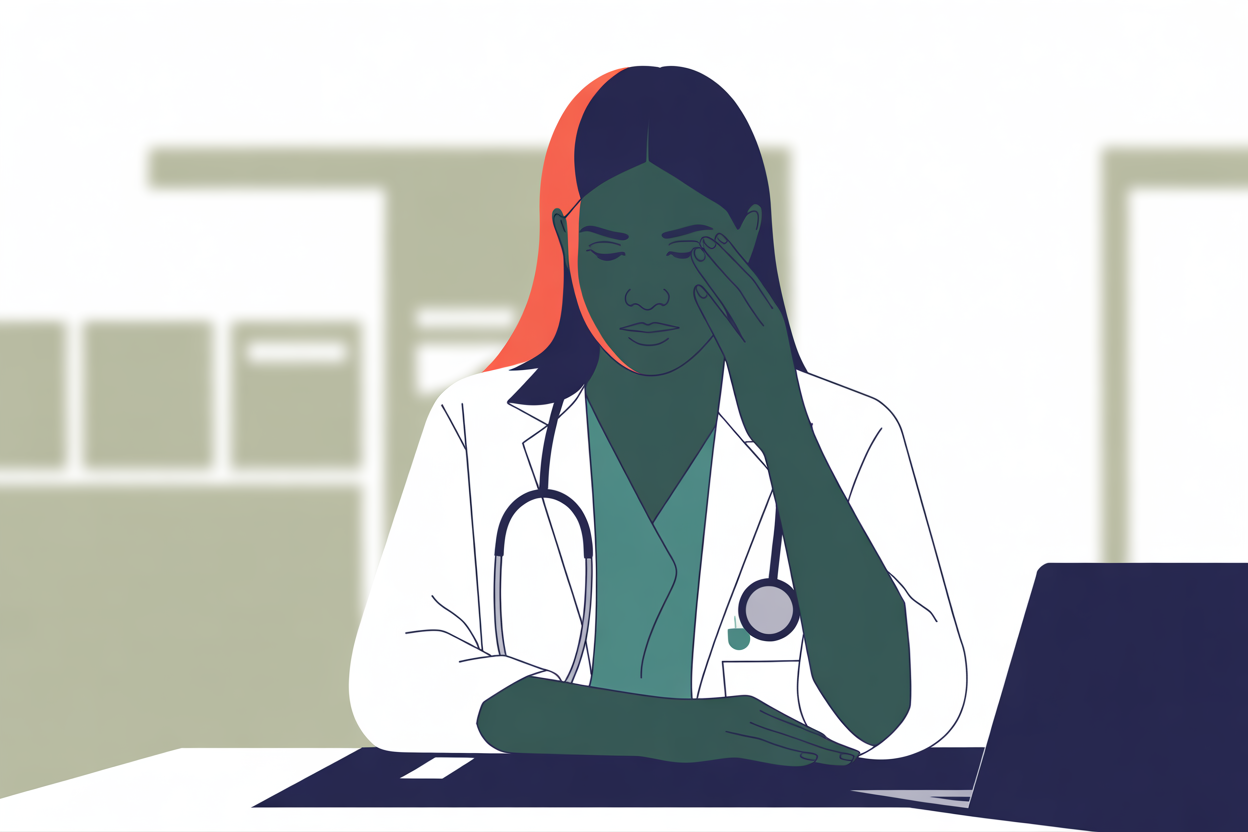
Physicians are often trained to keep functioning under pressure long after stress has become chronic.
Physicians spend years learning how to function under pressure, stay composed in high-stakes situations, and continue showing up for patients regardless of what may be happening in their own lives. But many physicians struggle to extend that same level of care and attention to themselves.
In a professional culture that values competence, endurance, and self-sufficiency, seeking therapy can feel unfamiliar, uncomfortable, or even risky. Many physicians worry that acknowledging stress, burnout, anxiety, relationship strain, or emotional exhaustion means they are somehow failing professionally. In reality, these struggles are extremely common among physicians at every stage of their careers.
In this article, I explore some of the unique emotional and relational challenges physicians face, including burnout, perfectionism, chronic stress, self-doubt, and the cumulative impact of caring for people in distress every day. I also discuss how therapy can provide physicians with a confidential space to process these experiences, strengthen relationships, and regain a greater sense of stability and balance in their lives.
Many physicians continue functioning at a very high level professionally while privately carrying an unsustainable amount of stress, emotional pressure, and responsibility. Over time, that chronic strain can begin affecting sleep, relationships, emotional availability, concentration, and overall quality of life, even if outwardly things still appear stable. In many cases, physicians benefit from working with a therapist who understands physician culture and the realities of practicing medicine, particularly when burnout, perfectionism, chronic stress, or relationship difficulties have gradually become part of daily life.
If you’re a physician looking for confidential, specialized support, you can learn more about my therapy services here:
→ Therapy for Physicians in Utah
→ Therapy for Physicians in North Carolina
The Emotional Reality of Practicing Medicine
Medicine places physicians in repeated contact with suffering, uncertainty, conflict, grief, and responsibility. Over time, many doctors become highly skilled at compartmentalizing emotions in order to continue functioning effectively at work. That ability can be professionally useful while also creating difficulties outside of clinical settings.
Some physicians begin to notice emotional exhaustion or detachment. Others feel increasingly irritable, numb, restless, or disconnected from relationships. Some continue performing at a very high level professionally while privately struggling with chronic stress, anxiety, insomnia, or a growing sense that life has narrowed almost entirely around work and responsibility.
Many physicians also carry an ongoing sense of pressure to avoid mistakes, remain productive, and meet extremely high expectations from patients, colleagues, healthcare systems, and themselves. Over time, that pressure can contribute to burnout, self-criticism, and difficulty accessing emotional support.
These issues are not limited to physicians early in training. I work with physicians across many stages of their careers, including residents, attendings, specialists, surgeons, and physicians in leadership positions. While their circumstances vary, many describe similar patterns: difficulty slowing down, chronic mental overactivation, emotional fatigue, and strain within important relationships.

Burnout in Physicians Often Develops Gradually
Burnout rarely appears all at once. More often, physicians slowly adapt to increasing stress until exhaustion begins to feel normal.
Some doctors notice that they have become emotionally detached from patients or family members. Others realize they no longer feel much satisfaction from work they once found meaningful. In some cases, physicians begin wondering whether the version of themselves that existed before medicine is still accessible at all.
What makes burnout particularly difficult is that many physicians continue functioning well externally while struggling internally. They may still perform effectively at work while their personal life, relationships, sleep, health, or emotional stability steadily deteriorate.
Therapy can help physicians identify these patterns earlier and understand how chronic stress is affecting both their professional and personal lives. Rather than simply focusing on symptom reduction, therapy often involves helping physicians develop a more sustainable way of functioning overall.
Physicians looking for confidential support related to burnout, chronic stress, perfectionism, or relationship strain can learn more about my approach to therapy for physicians here.
The Impact of Medicine on Relationships
One of the most common themes physicians discuss in therapy is the effect medicine has had on their relationships.
Long hours, call schedules, training demands, emotional exhaustion, and chronic stress can all make it difficult to remain emotionally present with partners, children, friends, or family members. Some physicians find themselves withdrawing at home because they feel depleted after work. Others struggle to transition out of “problem-solving mode” and into more emotionally connected interactions.
Partners of physicians sometimes describe feeling alone in the relationship, even when the physician is physically present. Over time, this can create patterns of distance, resentment, conflict, or emotional disconnection that become increasingly difficult to reverse without support.
Many physicians also struggle with guilt in this area. They may recognize the impact medicine has had on their relationships while simultaneously feeling trapped by the demands of their profession.
Therapy can help physicians better understand these dynamics and improve communication, emotional availability, and relational stability. In many cases, physicians are not lacking insight or motivation; they are operating under levels of chronic stress that have gradually reduced their emotional flexibility and capacity for connection.
Many physicians I work with are navigating these relationship challenges. If you’re based in North Carolina or Utah, you can find out more about my services here:
→ Couples Therapy for Physicians in Utah
→ Couples Therapy for Physicians in North Carolina
Perfectionism, Self-Criticism, and Identity
Many physicians develop identities heavily organized around competence, achievement, and responsibility. These qualities are often reinforced throughout medical training and professional advancement. Over time, however, physicians can begin evaluating themselves almost exclusively through the lens of performance.
This can create significant difficulty when things feel uncertain, emotionally complicated, or outside of their control.
Some physicians become intensely self-critical around mistakes or perceived inadequacy. Others struggle to tolerate vulnerability, emotional dependency, or uncertainty within relationships. Many have difficulty disengaging mentally from work even during personal time.
Therapy can help physicians examine these patterns without reducing them to simplistic ideas about “stress management.” In many cases, the issue is not simply workload. It is the gradual narrowing of identity, emotional range, and self-worth around professional functioning.
For physicians, therapy is often less about becoming a different person and more about regaining access to parts of themselves that have gradually been pushed aside by the demands of medicine.
Why Physicians Often Delay Seeking Therapy
Many physicians wait a long time before seeking help for themselves.
Some worry about confidentiality or professional implications. Others minimize their own distress because they are accustomed to functioning under pressure. Many simply do not have much experience thinking about their own emotional needs in a sustained way.
There is also a strong culture within medicine of continuing to push forward regardless of personal cost. Physicians are trained to tolerate sleep deprivation, emotional intensity, high responsibility, and ongoing stress. That mindset can make it difficult to recognize when coping strategies that were once adaptive are no longer working well.
It is also common for physicians to tell themselves that they should be able to handle things on their own. But being highly capable professionally does not eliminate the psychological effects of chronic stress, emotional suppression, grief exposure, relationship strain, or burnout.

Why Many Physicians Prefer Telehealth
Many physicians prefer telehealth therapy because it fits more realistically into the demands of medical practice. Between hospital schedules, call responsibilities, administrative work, and family obligations, adding additional travel time for appointments can make consistent therapy difficult to sustain.
Telehealth also offers a greater degree of privacy and flexibility, which many physicians value. Some physicians prefer the convenience of meeting from home or an office between responsibilities, while others appreciate being able to work with a therapist outside of their immediate professional community.
I provide confidential telehealth therapy for physicians in North Carolina, including Raleigh, Durham, Chapel Hill, Charlotte, Asheville, Wilmington, Greensboro, and surrounding communities. I also provide therapy for physicians in Utah, where many physicians seek support related to burnout, chronic stress, relationship strain, perfectionism, and the emotional demands of practicing medicine.
What Physicians Look For in a Therapist
Many physicians prefer working with therapists who understand the realities of medical culture and the pressures associated with practicing medicine.
Physicians often do not want therapy that feels overly generalized, emotionally performative, or disconnected from the realities of their lives. They usually want a space where they can think clearly, speak honestly, and examine what is happening without needing to constantly explain the culture of medicine itself.
In therapy, physicians commonly work on:
burnout and chronic stress
perfectionism and self-criticism
anxiety and overfunctioning
relationship difficulties
emotional detachment or numbness
work-life imbalance
identity outside of medicine
conflict between professional demands and personal values
For physicians in Utah seeking confidential support related to burnout, stress, or relationship strain, you can learn more about my work providing therapy for physicians in Utah here.
How Therapy Changes the Emotional Load Physicians Carry
Therapy does not eliminate the realities of practicing medicine. The work physicians do is inherently demanding, emotionally complex, and high responsibility. But therapy can help physicians respond to those pressures differently.
For some physicians, therapy becomes a place to process accumulated stress and emotional exhaustion that has gone unaddressed for years. For others, it becomes a space to improve relationships, examine longstanding patterns of perfectionism, or reconnect with parts of life that have gradually been displaced by work.
Many physicians spend years functioning effectively while privately carrying an unsustainable level of emotional burden. Often, therapy begins simply by creating enough space to think more honestly about what that burden has cost them professionally, relationally, and personally.
If you are looking for confidential, physician-focused support, you can learn more about my work providing therapy for physicians in North Carolina or therapy for physicians in Utah.
I offer confidential, structured therapy for physicians across North Carolina and Utah.
→ Therapy for Physicians in Utah
→ Therapy for Physicians in North Carolina