Physician Burnout: How to Recognize It — and How to Recover
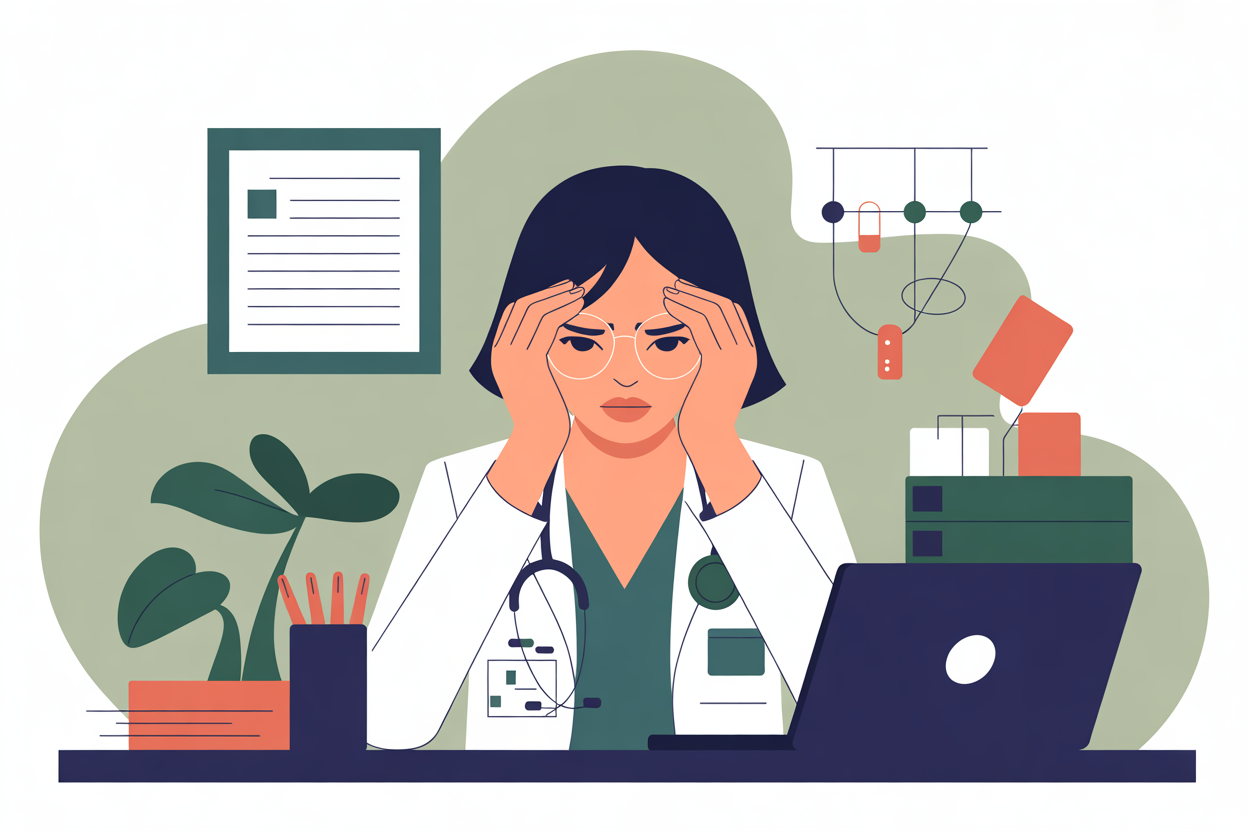
As a licensed therapist with over 20 years of clinical experience providing psychotherapy for medical doctors in Durham, NC (“the City of Medicine”), I understand what a toll practicing medicine can take on your personal life. These days, physician burnout may seem almost inevitable. Recent studies reveal that over 40% of medical professionals are experiencing burnout. The demands of medicine call for excellence and dedication, yet as clinicians spend countless hours caring for patients, they often find themselves experiencing hospital exhaustion, feeling drained and unable to practice self-care. The growing aging population is further increasing the workload for healthcare providers, contributing to higher rates of physician burnout.
This complete guide will help you understand what burnout in healthcare really means, spot doctor burnout symptoms early, and create a better work-life balance. You’ll learn time management techniques and burnout prophylaxe practices that can increase your efficiency. I’ll show you how to build strong support networks both inside and outside your medical community. These proven approaches can help prevent medical burnout while helping you stay committed to patient care.
Introduction
Burnout has become a critical concern within the medical community, affecting many physicians across the United States and around the world. According to the Annals of Internal Medicine (Ann Intern Med), more than half of U.S. doctors report experiencing at least one symptom of burnout during their careers. The American Medical Association defines burnout as a long-term stress reaction marked by emotional exhaustion, depersonalization, and a diminished sense of personal accomplishment. These symptoms of burnout not only impact physician well-being and job satisfaction, but also have a direct adverse effect on patient care, patient satisfaction, and the overall health care system.
The Maslach Burnout Inventory is widely used to assess burnout among physicians, measuring the core dimensions of emotional exhaustion, depersonalization, and personal accomplishment. Recent research has highlighted the role of electronic health records (EHRs) in increasing physician stress, as the administrative demands of electronic health can contribute to higher burnout rates. A study published in the Archives of Internal Medicine (Arch Intern Med) found that the use of electronic health records was associated with greater risk of burnout among internal medicine and general internal medicine physicians.
Burnout is not limited to practicing physicians; it also affects medical students and residents. Studies in the Journal of General Internal Medicine (J Gen Intern Med) reveal that over half of medical students experience burnout during their training, underscoring the need for early intervention in medical education. The American Medical Colleges and the National Academy have both called for comprehensive strategies to promote physician well-being and reduce burnout among medical students, residents, and practicing clinicians.
Certain groups face even greater risk. Female physicians, for example, are more likely to experience burnout due to the challenges of balancing professional work effort with family and personal responsibilities. This imbalance can lead to higher stress levels and lower career satisfaction compared to their male counterparts.
The consequences of physician burnout are far-reaching. Burned out physicians are more likely to make medical errors, which can compromise patient safety and care quality. Research published in the New England Journal of Medicine (N Engl J Med) and other leading journals has shown that burnout among physicians is linked to increased rates of medical error, reduced patient outcomes, and lower patient satisfaction.
Addressing burnout requires a coordinated effort from the entire medical community. Organizational leadership, a focus on work life balance, and strategies to reduce administrative burden are essential to improving physician satisfaction and well being. The American College of Physicians and other professional organizations advocate for a culture that supports resilience, life balance, and high-quality patient care. By working together, we can reduce burnout, enhance physician well-being, and ensure the delivery of quality care for every patient.
Recognize the Signs of Physician Burnout
Understanding the definition of burnout in healthcare and spotting burnout symptoms early is vital to working effectively and staying healthy. Recent studies show that nearly half of U.S. physicians (45.8%) report experiencing signs of physician burnout [1]. Certain specialties or demographics are at high risk for burnout due to the demanding nature of healthcare environments.
Physicians experience higher rates of burnout compared to the general population, making early recognition especially important. As a healthcare provider, you should carefully monitor these warning signs of physician burnout.

Emotional exhaustion in burned out physicians
Emotional exhaustion forms the foundation of burnout in physicians [2]. Doctors often feel completely drained, both physically and emotionally, at the end of each day, with physical exhaustion being a key aspect of burnout that impairs clinical decision-making and overall quality of care. Studies indicate that 46% of doctors report high levels of medical burnout symptoms [3]. This shows up as:
Feeling emotionally overextended
A deep loss of enthusiasm for work
Catching yourself saying, “I’m not sure how much longer I can keep going like this”
Depersonalization
Burnout in physicians often leads to depersonalization, affecting 42% of medical professionals [3]. Male physicians and those who have practiced less than 20 years show higher rates of this condition [3]. When experiencing healthcare burnout symptoms, providers might find themselves growing distant and cynical, starting to view patients as mere cases instead of real people. Research reveals that doctors who say “I’ve become more callous towards people since I took this job” demonstrate the strongest link to overall physician burn out [3].
Reduced sense of accomplishment
The causes of physician burnout often include a declining sense of personal achievement. Research shows that 34% of physicians report low levels of personal accomplishment [3]. These healthcare provider burnout symptoms may be demonstrated in several ways:
Questioning the meaning of your work
Self-doubt about your medical judgment
Worrying constantly about mistakes in patient care
Diminished sense of efficacy in the treatment you provide patients
A reduced sense of accomplishment and ongoing burnout can negatively impact one's life outside of work, affecting overall well-being and mental health over time.
Physical symptoms
Medical burnout can affect you beyond emotional and psychological symptoms. Our bodies show clear signs of physician burnout that may interfere with activities of daily living. It is crucial to monitor and support mental health, as well as physical health, for physicians experiencing burnout. Many clinicians report feeling tired, exhausted, and completely drained. Studies show that untreated burnout in healthcare can lead to adverse outcomes, such as increased risk of substance abuse and physical illness.
The situation can be compounded because those experiencing healthcare provider burnout often hesitate to ask for help, or admit these symptoms exist. This hesitancy can double their risk of having suicidal thoughts [2]. Medical errors and clinician burnout feed into each other - mistakes cause distress and distress causes mistakes [2]. It’s a vicious cycle that must be broken.
Spotting these warning signs of physician burnout early can help you more effectively balance work and personal life. Early action can prevent burnout medical conditions from getting worse. The right interventions, including medicine for burnout when appropriate, can help you deliver higher quality patient care, and protect your own health at the same time.
Implement Effective Time Management Strategies
Time management helps medical professionals prevent physician burnout while balancing their work and personal life. With rising cases of healthcare provider burnout, it’s imperative that clinicians develop effective strategies to manage their daily responsibilities as they face increasing time pressures at work. Time pressure is a significant contributor to clinician stress and burnout, as excessive time constraints during patient examinations and follow-ups can lead to emotional exhaustion and dissatisfaction.
Prioritize tasks
Setting achievable goals stands as the life-blood of time management [5]. A well-laid-out schedule provides a clear roadmap that guides daily activities. These key strategies help with prioritization:
Schedule analysis reveals peak busy periods
Time blocks work best for related tasks (like surgical procedures)
Daily schedule review should happen by 5 PM
Patient's critical needs take priority
Buffer time accommodates unexpected urgent cases
Use electronic health record scheduling tools
Medical scheduling software has transformed healthcare practice management and can help prevent hospital exhaustion. These tools create substantial cost savings through automation [6]. Modern scheduling platforms provide: [Original bullet points remain]
Research demonstrates that these tools reduce missed appointments and help prevent burnout in physicians by optimizing practice operations effectively [6].
Delegate when possible
Healthcare professionals often try to handle everything themselves, but delegation is a vital part of effective time management. Research shows that proper delegation can substantially improve patient care outcomes [7]. At the time of delegating tasks, note that the transfer of responsibility for specific tasks doesn't change accountability for the overall outcome.
Success depends on identifying qualified team members and maintaining clear, direct communication. The ability to delegate tasks to capable staff members allows you to concentrate your energy on more critical medical decisions [5].
Learn to say no
Learning to say no stands out as one of the most crucial burnout prophylaxe skills. Physicians often feel pressured to accept every request, which leads to packed schedules and classic signs of physician burnout. New requests deserve careful evaluation to see if they align with your short and long-term goals [8].
Prioritize Self-Care and Personal Time
Self-care isn't just a luxury - it's essential medicine for burnout prevention. Understanding what burnout in healthcare means helps us recognize that wellness must be integrated into daily practice. This approach helps you deliver excellent patient care while preventing clinician burnout.

Exercise regularly
Physical wellness can be crucial to preventing healthcare provider burnout and handling the rigors of medical practice. Studies show that even brief exercise sessions during the workday can make an important difference in preventing burnout medical symptoms.
Calf raises while standing during rounds
Wall push-ups between patient visits
Seated leg raises during documentation
Wall squats during quick breaks
Arm circles to release tension
Oblique twists in an office chair
Practice mindfulness and meditation
Healthcare providers have witnessed powerful evidence about mindfulness practices that improve physician wellness and prevent doctor burnout. Research shows several key benefits from regular mindfulness practice:
Better emotional control and resilience
Knowing how to listen deeply to patients' concerns
More helpful patient responses
Deeper self-awareness that leads to better decisions
Quick recovery after setbacks
Starting a 10-minute daily mindful meditation routine can transform your practice. Studies reveal that mobile mindfulness apps help reduce stress levels. These apps also help practitioners sleep better and boost their brain performance.
Pursue hobbies and interests
Research has found that having hobbies is vital to keep a healthy work-life balance. A study shows that 75% of physicians don't have enough time for their personal interests [12]. But doctors who keep their passions alive outside medicine feel more satisfied and resilient at work.
Our lives benefit from hobbies in many ways [13]:
They help relieve stress effectively
They spark creativity and sharpen mental function
They create meaningful social bonds beyond work
They build confidence as new skills develop
They boost work output by refreshing the mind
Spend quality time with loved ones
Your medical career often affects your family life, and understanding the causes of physician burnout often points to poor work-life balance. Studies show that 60% of physician-mothers feel unsatisfied with the time they have for their children, and 70% wish they could spend more time with their partners [12].
Create a Supportive Work Environment
A supportive work environment builds the foundation for preventing burnout in healthcare. Research demonstrates that healthy relationships spread through all aspects of healthcare and help prevent medical burnout symptoms [16].

Encourage positive relationships with colleagues
Trust serves as the life-blood of effective interprofessional collaboration and teamwork [17]. Building trust happens gradually through consistent communication that starts with simple introductions [17]. These proven strategies will strengthen your professional bonds:
Listen actively and show genuine interest in colleagues
Share knowledge and resources willingly
Communicate clearly and consistently
Value each team member's expertise
Create environments that welcome honest dialog
Celebrate achievements as a team
Healthcare workers who introduce themselves and communicate regularly build stronger professional relationships [17]. This becomes crucial in distributed healthcare settings where trust needs more effort and purpose [17].
Seek mentorship
Mentorship plays a vital role in career fulfillment for medical practitioners [18]. Most successful physicians credit their achievements to guidance from their core team of mentors [18]. Here's what we need to do at the time we look for mentorship:
Start finding mentors early in our training
Connect with multiple mentors to guide different career paths
Define clear expectations about the relationship
Keep communication channels open
Stay transparent about our needs and challenges
Research demonstrates that mentorship that works can shape career success significantly [19]. The medical community's diversity of rich experience and perspectives creates a perfect opportunity to build meaningful connections and learn from one another [19].
Participate in peer support groups
Healthcare professionals understand the value of peer support in preventing physician burn out. A trained peer who understands your experiences and the definition of burnout in healthcare can provide crucial support [20]. Support groups connect people who share similar experiences and help address healthcare burnout symptoms [21].
Support Systemic Changes
Creating lasting change to prevent burnout in physicians needs strong leadership and system-wide support. Organizations that work with partners from different sectors develop better insights into healthcare provider burnout and get better results [22].
Conclusion
Medical practice demands excellence and tests your resilience each day. Better patient care comes from doctors who actively work to prevent physician burnout while maintaining their well-being and professional satisfaction. This balance emerges when you understand what burnout in healthcare really means, spot burnout medical symptoms early, manage time well, take care of yourself, and build strong professional networks.
Your personal wellness starts with careful thought and a steadfast dedication to preventing healthcare provider burnout. Small steps toward better work-life balance add up and create positive momentum that lasts. Book a free strategy call today to find individual-specific strategies that align with your practice and lifestyle goals. Your wellness as a physician impacts more than just you—it shapes healthcare's future and the communities you serve.
References
[1] - https://pmc.ncbi.nlm.nih.gov/articles/PMC3929077/
[2] - https://www.ncbi.nlm.nih.gov/pmc/articles/PMC6262585/
[3] - https://bmjopen.bmj.com/content/2/1/e000274
[4] - https://pmc.ncbi.nlm.nih.gov/articles/PMC7487695/
[5] - https://www.jibble.io/article/time-management-for-physicians
[6] - https://www.trustradius.com/medical-scheduling
[7] - https://www.ncbi.nlm.nih.gov/books/NBK519519/
[8] - Recapturing time: a practical approach to time management for physicians
[9] - https://www.medicaleconomics.com/view/how-physicians-can-learn-to-say-no
[10] - https://lorettocny.org/news-resources/blog/7-workplace-workouts-for-busy-healthcare-workers/
[11] - https://www.boardvitals.com/blog/prioritize-fitness-busy-physician/
[12] - https://www.wolterskluwer.com/en/expert-insights/hobbies-for-doctors-why-you-should-nurture-your-passions [13] - https://www.corporatewellnessmagazine.com/article/the-role-of-hobbies-in-enhancing-work-life-balance
[14] - https://www.kevinmd.com/2018/05/a-physicians-guide-to-getting-more-time-with-family.html
[15] - https://themedcommons.com/family-support-the-key-to-physician-productivity-focus/
[16] - https://health.ucdavis.edu/nurse/practicemodel/professional_relationships.html
[17] - https://pmc.ncbi.nlm.nih.gov/articles/PMC8669032/
[18] - https://resources.nejmcareercenter.org/article/physician-mentorship-why-its-important-and-how-to-find-and-sustain-relationships/
[19] - https://www.amwa-doc.org/about-amwa/member-benefits-amwa/mentoring/
[20] - https://www.nami.org/your-journey/frontline-professionals/health-care-professionals/peer-support-resources/
[21] - https://www.mayoclinic.org/healthy-lifestyle/stress-management/in-depth/support-groups/art-20044655
[22] - https://blog.tldgroupinc.com/helm/systemic-change-ecosystem-leadership
[23] - https://pmc.ncbi.nlm.nih.gov/articles/PMC4203618/