Divorce counseling can provide emotional support and practical guidance
Key Takeaways
Divorce counseling provides specialized emotional support and practical guidance for individuals and couples navigating the complex divorce process, helping them process difficult emotions while developing healthy coping mechanisms
Three main types exist: pre-divorce counseling for communication during separation, post-divorce therapy for healing and rebuilding, and discernment counseling for couples uncertain about their final decision
Professional therapy helps address the traumatic event of divorce through evidence-based techniques like CBT, mindfulness, and communication skills training while supporting both individual sessions and couples therapy approaches
Seeking divorce counseling early prevents more serious mental health issues and provides essential tools for co-parenting, conflict resolution, and maintaining well being during this incredibly stressful life changing transition
Qualified divorce counselors offer structured support through individual counseling, family sessions, and specialized worksheets to help clients move forward with self confidence and create a new beginning
Working with a divorce therapist in Salt Lake City
This article covers what divorce counseling is and how it works. If you're ready to talk about working together, I have a dedicated page for my divorce counseling practice in Salt Lake City — including what we'll focus on, how DBT skills help through the process, and how to schedule a free consultation. See my divorce counseling page →
What is Divorce Counseling?
Divorce counseling is a specialized form of therapy designed to support individuals, and couples through one of life’s most challenging transitions. Unlike traditional marriage counseling that focuses on saving the relationship, divorce counseling acknowledges that the marriage has ended or will end, instead concentrating on helping clients navigate the painful process with greater emotional support and practical guidance.
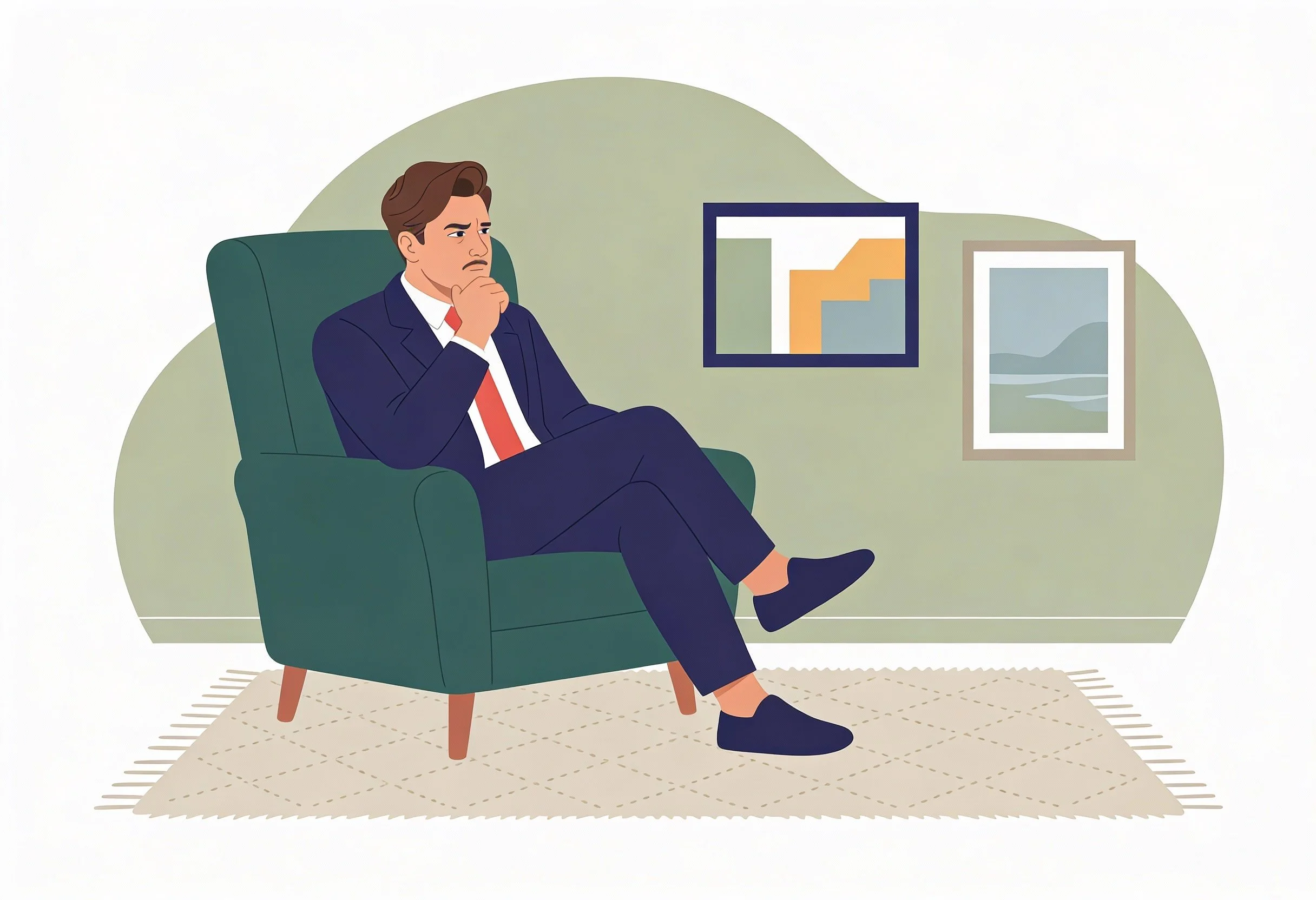
A person sits thoughtfully in a cozy counseling office, reflecting on their emotions during a painful divorce process. The setting suggests a safe space for seeking divorce counseling, where they can explore difficult feelings and gain emotional support through talk therapy.
A divorce counselor creates a safe, nonjudgmental environment where clients can process difficult emotions like grief, anger, fear, and loss. This therapeutic space allows people to explore their feelings about the separation while developing healthy strategies to cope with this major life transition. The approach recognizes that divorce can be an incredibly stressful and life changing experience that affects not just the couple, but children and extended family members as well.
Divorce therapy addresses both the emotional and practical aspects of separation. While traditional talk therapy focuses primarily on processing feelings, divorce counseling also helps clients navigate child custody arrangements, financial adjustments, and communication with their former spouse. This comprehensive approach ensures that clients receive support for every dimension of their experience during this difficult transition.
The therapeutic relationship in divorce counseling operates from a place of understanding that this painful divorce represents a significant loss requiring grief work and healing. Whether clients attend individual sessions or participate in couples counseling with their ex partner, the focus remains on moving forward constructively rather than rehashing past relationship conflicts.
Types of Divorce Counseling
Different approaches to divorce counseling serve various stages and circumstances of the separation process. Understanding these distinctions helps individuals and couples choose the most appropriate support for their current situation and goals.
Pre-Divorce Counseling
Pre-divorce counseling focuses on helping individuals and couples communicate respectfully and effectively during separation proceedings. This approach becomes particularly valuable when children are involved, as it helps minimize trauma and provides tools for creating a united front despite the relationship ending.
The primary goal involves teaching conflict resolution skills that enable couples to handle legal and financial decisions without escalating into harmful arguments. A divorce therapist helps partners develop strategies for maintaining civility during emotionally charged situations, which proves essential when discussing important matters like child custody, visitation schedules, and property division.
Pre-divorce counseling also prepares individuals and couples for successful co-parenting by establishing communication patterns that prioritize their children’s well being. Clients learn to separate their feelings about the marriage from their responsibilities as parents, ensuring that their partnership as co-parents can continue even after their romantic relationship ends. This preparation often prevents many of the conflicts that typically arise in post divorce relationships.
Post-Divorce Counseling
Post-divorce counseling supports individuals in processing the grief and loss that follows divorce finalization. This painful process often involves mourning not just the relationship itself, but the future that was planned together, the shared dreams, and the familiar routines that provided stability.

Individual therapy during this phase focuses heavily on rebuilding self esteem and personal identity outside the marriage. Many people struggle with self confidence after divorce, questioning their judgment, attractiveness, and capacity for future relationships. A skilled therapist helps clients rediscover their strengths and develop a renewed sense of self worth.
Post-divorce counseling also addresses practical challenges like single parenting, financial adjustments, and social changes. Clients learn coping mechanisms for managing the stress of increased responsibilities while simultaneously dealing with the emotional aftermath of their separation. The therapeutic process includes preparing individuals for potential new relationships when they feel ready, helping them identify patterns from troubled relationships that they want to change moving forward.
The focus on creating a positive vision for the future distinguishes post-divorce counseling from crisis intervention. While acknowledging the pain of loss, therapy helps clients embrace this new beginning as an opportunity for personal growth and renewed hope.
Discernment Counseling
Discernment counseling represents a specialized short-term approach for couples who remain uncertain about divorcing. Unlike traditional couples therapy that works on relationship problems, the discernment counseling process focuses exclusively on helping partners gain clarity and confidence about their relationship’s future.
This approach typically involves one to five sessions designed to help “mixed-agenda” couples—situations where one person wants to work on the marriage while the other leans toward divorce. The discernment counselor helps both partners explore their feelings and motivations without pressure to make immediate decisions.
The discernment counseling process can lead to three possible outcomes: the couple decides to stay together and work on their relationship, they choose to move forward with divorce, or they commit to traditional marriage counseling with renewed motivation. The structured nature of this approach prevents couples from remaining stuck in limbo, unsure whether to invest energy in repair attempts or begin the separation process.
Unlike other forms of therapy that may continue for months or years, discernment counseling operates within a defined timeframe, acknowledging that uncertainty itself can become harmful to both partners and any children involved. This focused approach helps couples avoid the exhaustion that comes from cycling between hope and despair without making progress toward resolution.
When to Seek Divorce Counseling
Recognizing when professional support becomes necessary can prevent more serious mental health complications and help individuals navigate their divorce more successfully. Several warning signs indicate that seeking divorce counseling would be beneficial for managing this tough time.
Emotional indicators include persistent depression, anxiety that interferes with daily functioning, or uncontrollable anger that affects relationships with children, friends, or colleagues. When negative emotions dominate a person’s life for weeks or months, professional intervention helps prevent these feelings from becoming entrenched patterns that complicate both the divorce process and future well being.

Behavioral changes also signal the need for therapeutic support. These might include social withdrawal from friends and family, significant sleep disturbances, dramatic weight changes, or increased alcohol or substance use. When someone’s normal coping mechanisms prove insufficient for managing the stress of divorce, professional guidance becomes essential.
The impact on children provides another crucial indicator for seeking help. When family members notice that children are struggling with school performance, displaying behavioral changes, or showing signs of emotional distress, family therapy can provide tools to support their adjustment while teaching parents how to minimize the negative effects of the separation.
High-conflict situations where former partners cannot communicate civilly about practical matters require professional mediation. When discussions about child custody, finances, or logistics consistently escalate into arguments, a divorce counselor can teach communication skills that protect everyone involved, especially children who may witness these interactions.
It’s important to note that if someone experiences thoughts of suicide or self-harm, immediate crisis intervention is necessary. The 988 Suicide & Crisis Lifeline provides 24/7 support, and these situations require urgent professional attention beyond what divorce counseling alone can provide.
Benefits and Therapeutic Techniques
Divorce counseling offers an objective, professional perspective during a time when emotions often cloud judgment and decision-making abilities. This outside viewpoint helps clients see their situation more clearly and develop practical strategies for managing both immediate challenges and long-term adjustments.
Cognitive Behavioral Therapy (CBT)
CBT represents one of the most effective approaches for addressing the mental health challenges that accompany divorce. This technique helps clients identify and challenge negative thought patterns that often develop during the separation process, such as catastrophizing about the future, engaging in self-blame, or assuming that the divorce means they are fundamentally flawed.
The cognitive component of CBT focuses on reframing thoughts about the divorce and future possibilities. Instead of viewing the separation as pure failure, clients learn to recognize it as a difficult but potentially growth-promoting transition. This reframing helps reduce feelings of shame and hopelessness while opening space for more balanced perspectives.
The behavioral aspects of CBT emphasize developing specific actions and habits that support emotional healing and practical adjustment. This might include establishing new daily routines, engaging in self care activities, or practicing communication techniques that improve interactions with the former spouse. These behavioral changes often lead to improved mood and increased self confidence as clients experience success in managing their new circumstances.
Mindfulness and Stress Management
Mindfulness techniques provide essential tools for managing the anxiety and overwhelming emotions that frequently accompany divorce proceedings. These practices help clients stay grounded in the present moment rather than becoming consumed by regrets about the past or fears about the future.
Specific mindfulness exercises include deep breathing techniques that can be used during difficult conversations with lawyers, mediators, or the ex partner. Progressive muscle relaxation helps manage physical tension that often accompanies high-stress situations, while meditation practices provide daily support for emotional regulation.
The stress management component of divorce counseling recognizes that this major life transition involves numerous practical challenges that can feel overwhelming. Clients learn prioritization techniques, time management strategies, and ways to break large tasks into manageable steps. These skills prove particularly valuable when dealing with legal paperwork, moving arrangements, or adjusting to single parenting responsibilities.
Communication Skills Training
Effective communication becomes crucial during divorce, particularly when children are involved and ongoing contact with the former partner is necessary. Divorce counseling teaches specific techniques for managing difficult conversations while maintaining respect and focusing on practical problem-solving.
These skills include learning to separate emotional reactions from factual discussions, using “I” statements to express needs without blame, and developing strategies for staying calm when the other person becomes argumentative or emotional. Clients practice setting appropriate boundaries that protect their emotional well being while still allowing necessary coordination around shared responsibilities.
Communication training also addresses interactions with children about the divorce, helping parents provide age-appropriate information while reassuring them about continued love and support. These conversations require careful balance between honesty and protection, and professional guidance helps parents navigate these challenging discussions effectively.
Essential Divorce Counseling Tools
Divorce counseling focuses on helping clients build practical tools they can use in real life, often through guided conversation, reflection, and skills practice during sessions. Rather than relying on written exercises alone, a divorce counselor works collaboratively with clients to help them understand their emotional responses, develop coping strategies, and apply new skills to the situations they are facing day to day.
These tools are introduced and refined over time, allowing clients to integrate insight with action as they move through the divorce process.
Grief and Loss Processing
Divorce often involves grieving multiple losses at once: the relationship itself, shared plans for the future, financial stability, familiar routines, and, for many families, the loss of an intact household. A divorce counselor helps clients identify and name these losses, creating space to acknowledge grief that may otherwise feel overwhelming or confusing.
In counseling sessions, clients are supported in expressing difficult emotions such as sadness, anger, guilt, or fear in a way that feels contained and safe. A therapist may guide reflective conversations that help clients process unresolved feelings toward their former partner or toward the version of life they expected to have. This work allows emotions to be explored without spilling into co-parenting interactions or affecting children.
Divorce counselors also help normalize the grief process itself. Clients learn that grief is rarely linear and that emotional setbacks are common, especially during milestones like court dates, holidays, or changes in custody schedules. Understanding this helps clients remain compassionate with themselves rather than feeling discouraged when difficult emotions resurface.
Self-Care and Coping Skills
During divorce, self-care often falls by the wayside as people juggle legal responsibilities, parenting demands, and emotional strain. In counseling, therapists help clients identify realistic ways to care for their physical, emotional, and mental health within the constraints of their current lives.
Rather than offering generic advice, a divorce counselor works collaboratively with clients to explore what actually helps them regulate stress, manage emotional intensity, and recover from conflict. This may include developing routines that support sleep, learning grounding techniques for moments of anxiety, or identifying supportive relationships that can be leaned on during particularly difficult periods.
Counseling also focuses on building sustainable coping strategies that clients can use when emotions escalate. These tools help clients respond more thoughtfully to stress rather than reacting impulsively, which is especially important in high-conflict situations or when ongoing contact with a former partner is required.
Co-Parenting and Communication Tools
When children are involved, divorce counseling often places significant emphasis on co-parenting tools that support stability and reduce conflict. A divorce counselor helps parents think through practical parenting decisions while keeping the focus on their children’s well-being rather than past relationship grievances.
In sessions, clients may work on strategies for sharing information about school, health, and daily logistics in ways that minimize misunderstandings and emotional escalation. Counselors also help parents develop clear boundaries around communication, making it easier to stay focused on parenting responsibilities even when tensions run high.
Conflict resolution tools are another core focus of divorce counseling. Therapists help clients learn how to approach disagreements with a problem-solving mindset, identify when an issue truly needs to be addressed, and recognize when disengagement is the healthier option. Over time, these skills can significantly reduce the emotional toll of co-parenting interactions and help create a more predictable, stable environment for children.
How Divorce Counseling Sessions Work
Divorce counseling sessions typically follow a structured format designed to maximize therapeutic benefit while respecting clients’ time and emotional energy. Understanding this process helps individuals know what to expect and prepare effectively for their therapeutic work.
Initial sessions focus on comprehensive assessment of the client’s current situation, emotional state, and specific goals for therapy. The divorce counselor gathers information about the marriage history, current divorce proceedings, children’s needs, and the client’s support system. This assessment helps create a personalized treatment plan that addresses the most pressing concerns while building toward longer-term healing objectives.
Regular sessions usually last 50-60 minutes and occur weekly or biweekly, though frequency may vary based on individual needs and crisis situations. The therapist maintains consistent structure while remaining flexible enough to address urgent concerns that arise between sessions. Each meeting typically includes check-ins about the previous week’s challenges and successes, focused work on specific therapeutic goals, and assignment of homework or practice exercises.
Different session formats serve various client needs and circumstances. Individual sessions provide private space for processing personal emotions and developing individual coping strategies. Couples sessions with both former partners focus on communication improvement and practical coordination, particularly around co-parenting responsibilities. Family sessions that include children help address the impact of divorce on the family system and teach healthy adjustment strategies.
Treatment duration varies significantly based on individual circumstances, ranging from six weeks for focused issues to several months for comprehensive support through the entire divorce process. Some clients benefit from periodic check-in sessions even after regular therapy ends, particularly during significant transitions like children starting school or former partners beginning new relationships.
Online therapy options have proven effective for divorce counseling, particularly for clients dealing with scheduling challenges, transportation difficulties, or privacy concerns. Many people find that participating in therapy from their own homes feels more comfortable during this vulnerable time, and research supports the effectiveness of virtual divorce counseling for most therapeutic goals.
Finding the Right Divorce Counselor
Selecting an appropriate divorce counselor significantly impacts the effectiveness of therapeutic work during this critical time. Several important qualifications and characteristics distinguish counselors who specialize in divorce-related issues from general mental health professionals.
Licensed therapists with specific training in divorce counseling or family therapy possess the specialized knowledge needed to address the unique challenges of marital dissolution. Look for credentials such as Licensed Clinical Social Workers (LCSW), Marriage and Family Therapists (MFT), or psychologists with postgraduate training in divorce therapy. These professionals understand the complex interplay between emotional, legal, and practical aspects of divorce.

When interviewing potential therapists, ask specific questions about their experience with divorce counseling, their approach to working with co-parenting issues, and their familiarity with the emotional stages of divorce recovery. Inquire about their training in evidence-based techniques like CBT or their experience facilitating difficult conversations between former partners.
Practical considerations include insurance coverage, scheduling availability, and location convenience. Many divorce counselors offer both in-person and online sessions, which can be particularly helpful during busy periods of legal proceedings or when coordinating with ex-partner schedules. Verify that the counselor’s fees and payment policies align with your budget constraints during this financially challenging time.
Specialized training in high-conflict divorce situations becomes important when dealing with particularly contentious separations or cases involving domestic violence, substance abuse, or severe mental health issues. Some counselors have additional certification in areas like child custody evaluation or collaborative divorce processes.
Red flags to avoid include counselors who promise specific outcomes, encourage prolonged litigation, display bias against either gender, or seem to lack understanding of current divorce laws and procedures. Effective divorce counselors maintain neutrality while advocating for healthy resolution and children’s well being above all other considerations.
The therapeutic relationship should feel supportive and collaborative from the beginning. Trust your instincts about whether the counselor demonstrates empathy, maintains appropriate boundaries, and possesses the clinical expertise needed to guide you through this challenging process. A good therapeutic fit often becomes apparent within the first few sessions.
FAQ
-
Most clients begin experiencing some relief and improved coping skills within the first 3-4 sessions, particularly when learning immediate stress management techniques and communication strategies. Significant emotional healing and personal growth typically occur over 3-6 months of consistent work, though the timeline varies greatly depending on individual circumstances, the complexity of the divorce situation, and personal factors like previous mental health history.
-
Yes, individual divorce counseling can be highly effective even when only one partner participates. You can still learn healthy communication skills, develop better coping mechanisms for stress, process your emotions about the separation, and create effective co-parenting strategies regardless of your former partner’s willingness to attend therapy. Many people find that their own changes in communication and emotional regulation positively influence the overall family dynamic.
-
Research indicates that online divorce counseling can be equally effective as in-person sessions for most therapeutic goals, including emotional support, skill-building, and practical planning. Online therapy offers particular advantages during divorce, such as increased scheduling flexibility, privacy from your home environment, and accessibility during busy legal proceedings. However, some high-conflict situations or cases involving safety concerns may benefit from in-person sessions.
-
Divorce counseling focuses primarily on emotional support, mental health, and developing coping skills for the divorce process, while divorce mediation is a legal service that helps couples negotiate specific terms of their separation agreement. Mediation addresses practical matters like property division and custody arrangements through neutral facilitation, whereas counseling addresses the psychological and relational aspects of divorce. Many people benefit from both services simultaneously.
-
Couples counseling is typically most effective when both partners are willing to work on the relationship. The partners don’t need to be equally committed to therapy, but the must both be open to trying to improve communication, trust, or connection.
Divorce counseling is more appropriate when the relationship has ended or is very likely to end. The focus shifts from repairing the marriage to helping individuals or former partners manage the emotional, practical, and co-parenting challenges of separation.
If you’re unsure which type of counseling fits your situation, a consultation with a therapist can help you clarify your goals and recommend an approach that best supports you during this transition.